Discover · Research comparison
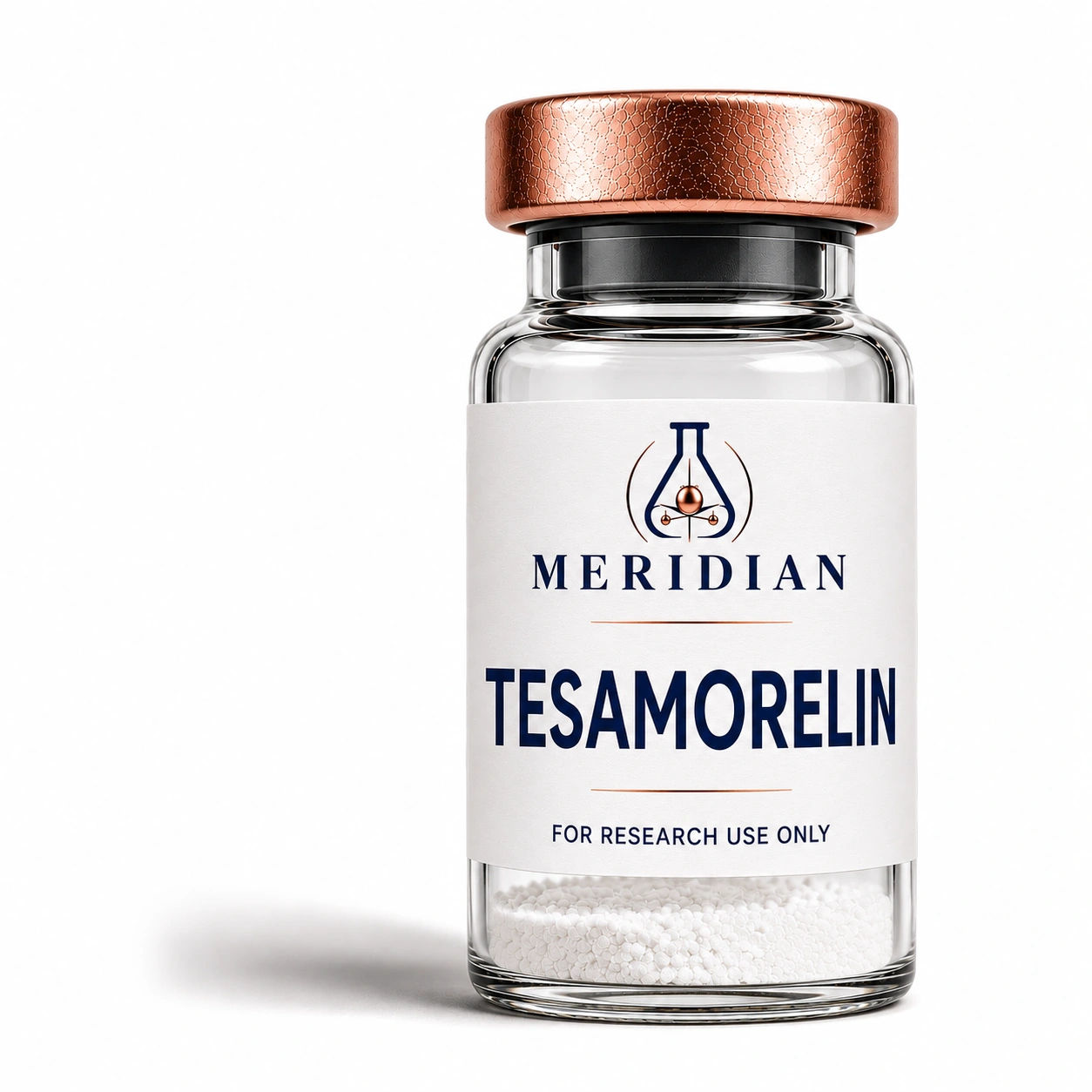
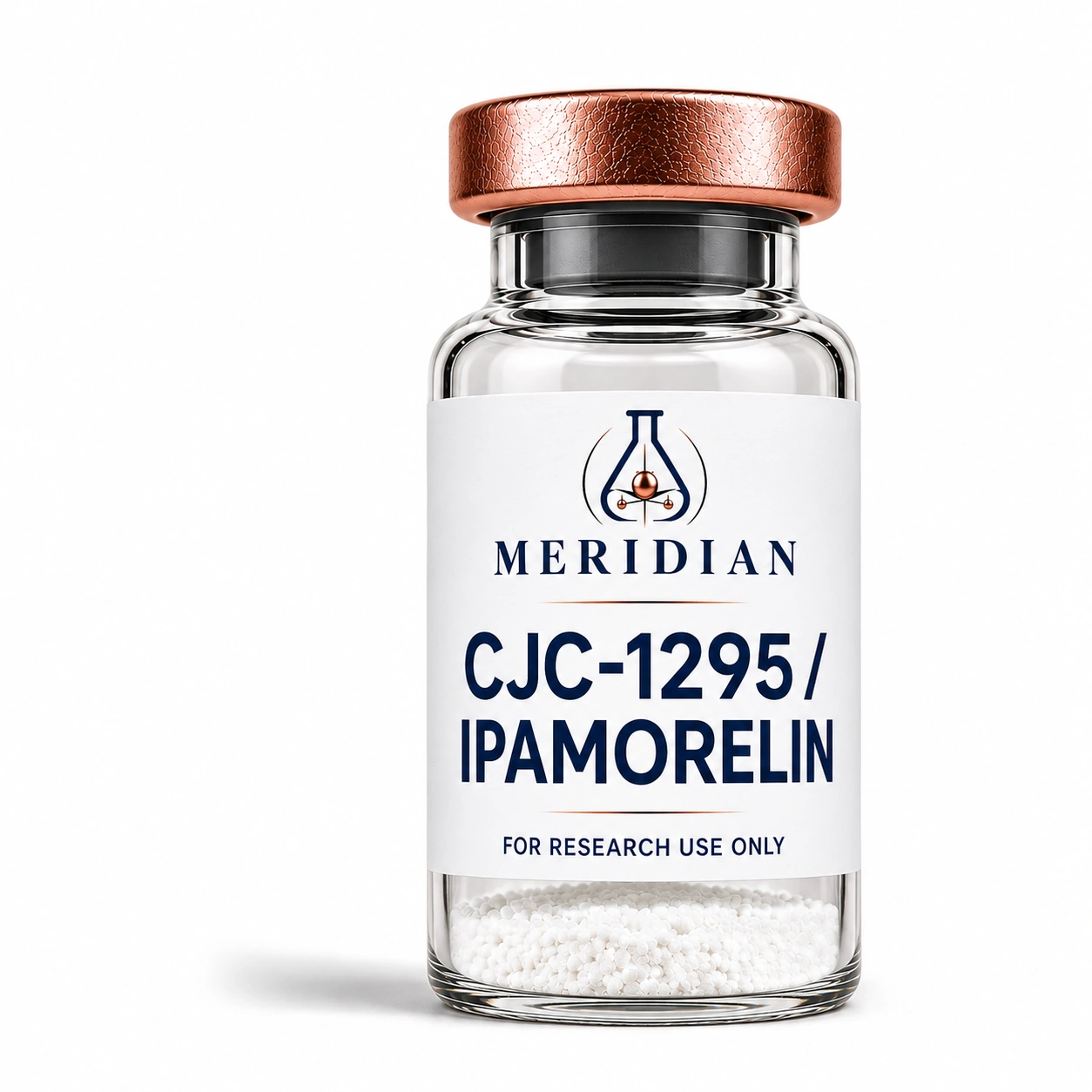
Tesamorelinvs.CJC-1295/
Exploring the science behind growth hormone, abdominal fat, body composition, muscle recovery, and sleep.
You’ve been consistent with your workouts. You’re eating better. Maybe the number on the scale has changed, but your midsection doesn’t seem to be changing the way you expected.
Or perhaps your biggest frustration isn’t fat loss at all.
It’s feeling sore for days after a workout, struggling to recover, or waking up without feeling completely rested.
These are some of the reasons growth hormone research has become such a popular topic in wellness and fitness communities.
Two names frequently come up in these conversations: Tesamorelin and CJC-1295/Ipamorelin.
Both involve the body’s natural growth hormone system, but they interact with it differently. More importantly, the scientific evidence supporting them is very different.
So what makes each one interesting?
First, Let’s Talk About Growth Hormone
Growth hormone, often called GH, isn’t just important during childhood.
Adults continue producing it throughout their lives.
It participates in several biological processes, including fat metabolism, protein regulation, and tissue maintenance. Growth hormone physiology
Growth hormone secretion occurs in pulses throughout the day, with significant release commonly associated with deep sleep. Sleep physiology
The brain and pituitary gland coordinate this process through several signaling pathways.
And that’s where these peptides enter the research conversation.
Tesamorelin and CJC-1295 act on the growth hormone-releasing hormone pathway. Ipamorelin acts on a different pathway associated with the ghrelin receptor. Hormonal pathways
Understanding the distinction is important when comparing their research.
Tesamorelin: The Connection to Abdominal Fat
Let’s start with something that surprises many people.
Not all belly fat is the same.
There are two major types of abdominal fat:
Subcutaneous fat is the softer fat located directly beneath the skin. It’s the kind you can usually pinch around your waist.
Visceral fat is located deeper within the abdominal cavity, surrounding internal organs.
Visceral fat is particularly important in metabolic research because higher levels are associated with increased cardiometabolic risk. Research background
Tesamorelin, a synthetic analog of growth hormone-releasing hormone (GHRH), has been studied for its effects on this deeper abdominal fat.
What did researchers discover?
In two large Phase 3 clinical trials involving a combined 806 adults with HIV-associated abdominal fat accumulation, researchers evaluated changes in visceral fat over 26 weeks.
The pooled analysis found a 15.4% placebo-adjusted reduction in visceral adipose tissue with tesamorelin. Read the pooled analysis
That’s a meaningful finding because researchers measured abdominal fat using CT imaging rather than relying solely on changes in body weight.
Interestingly, tesamorelin did not produce substantial overall weight loss. Clinical-study labeling
This highlights an important distinction: body composition can change even when the scale barely moves.
The trials specifically involved adults with HIV-associated lipodystrophy. The findings do not establish the same results for otherwise healthy adults seeking cosmetic fat reduction.
What about the fat you can pinch?
Here’s another fascinating detail.
In a separate randomized clinical trial, tesamorelin reduced visceral abdominal fat without producing a statistically significant reduction in subcutaneous abdominal fat. Read the randomized trial
So when people discuss tesamorelin and stubborn belly fat, it’s important to understand which type of fat the research actually measured.
CJC-1295/Ipamorelin: A Different Approach
Now let’s look at the combination that has become popular in conversations about exercise, recovery, and sleep.
CJC-1295 and Ipamorelin are two distinct peptides.
CJC-1295 is a synthetic analog of growth hormone-releasing hormone designed to interact with the GHRH receptor. CJC-1295 research
Ipamorelin is a growth hormone secretagogue that stimulates GH release through a receptor associated with the hormone ghrelin. Ipamorelin research
Think of these as two different biological signaling routes that can influence the same hormonal system.
This complementary mechanism is one reason the combination has attracted interest.
What does the research show?
Published human studies of CJC-1295 with DAC, a long-acting modification, have demonstrated increases in circulating growth hormone and IGF-1.
A 2006 study reported that a single administration produced sustained increases in these hormone measurements for several days. Read the study
Ipamorelin has also been studied in human volunteers, with research demonstrating its ability to stimulate growth hormone release. Read the human-volunteer study
An important detail is that products described as CJC-1295 without DAC are commonly associated with a shorter-acting peptide called modified GRF(1-29). Findings from the long-acting DAC formulation should not automatically be applied to the non-DAC version. Formulation identity
What About Muscle Recovery and Sleep?
Anyone who’s had an intense workout knows the feeling.
Your muscles are sore. Your legs are heavy. You need another day before you’re ready to train again.
Naturally, researchers are interested in how growth hormone participates in tissue maintenance and adaptation.
GH and IGF-1 are involved in protein metabolism and other processes relevant to muscle and connective tissue. Physiology review
Because CJC-1295 and Ipamorelin affect GH signaling, they have become common topics in discussions about exercise recovery.
Sleep is another area of interest.
Growth hormone secretion is closely associated with sleep physiology, particularly slow-wave sleep. Sleep and hormonal signaling
What Are People Actually Experiencing?
Beyond clinical research, people discuss these compounds in fitness, body-composition, and peptide communities.
Their experiences reveal some interesting patterns.
Abdominal changes without major scale changes
In one Reddit discussion, an individual reported a smaller waist and more visible muscle definition after using tesamorelin for several months, despite little change in body weight.
That experience resembles the distinction researchers make between body composition and total body weight.
Recovery as a noticeable effect
In another discussion, one participant described using the CJC/Ipamorelin combination for approximately one month.
The individual reported that perceived muscle recovery was the most noticeable improvement, along with slight changes in strength and endurance. After switching to tesamorelin, they described cramps, tightness, and aches.
This highlights how personal experiences can differ between compounds and between individuals.
Sleep quality and different tolerability experiences
In a separate discussion, one individual reported experiencing fluid retention and disrupted sleep while using tesamorelin.
With CJC/Ipamorelin, the individual described more restorative sleep and similar perceived effects on weight training.
The comment did not specify whether the CJC formulation included DAC. Different compounds were involved, so it isn’t possible to attribute the reported changes to a single peptide.
What do these experiences tell us?
People often discuss tesamorelin in connection with abdominal body composition, while CJC-1295/Ipamorelin conversations frequently focus on sleep and recovery.
But online stories can be influenced by training, nutrition, other medications, product quality, and expectations.
So Which Has Stronger Scientific Evidence?
The answer depends on what is being measured.
For reducing excess visceral abdominal fat in adults with HIV-associated lipodystrophy, tesamorelin has substantially stronger clinical evidence. Phase 3 evidence
For stimulating growth hormone release, published studies support biological activity of tesamorelin, CJC-1295 with DAC, and ipamorelin individually. Tesamorelin · CJC-1295 · Ipamorelin
For improving sleep, accelerating workout recovery, increasing muscle size, or changing body composition in healthy adults, the available research does not establish that one approach is superior.
And there are no adequate head-to-head clinical trials demonstrating that CJC-1295/Ipamorelin produces better outcomes than tesamorelin.
Frequently Asked Questions
Does tesamorelin burn belly fat?
Clinical trials have demonstrated reductions in visceral abdominal fat in adults with HIV-associated lipodystrophy. It has not been established as a general cosmetic belly-fat treatment. Indication and limitations
Can tesamorelin reduce visceral fat without weight loss?
Yes. This distinction was demonstrated in clinical studies. The FDA describes approved tesamorelin as weight-neutral and not indicated for weight-loss management. Read the labeling
Is CJC-1295/Ipamorelin better for sleep?
Some individuals report improved sleep, but controlled human evidence establishing this benefit for the combination is lacking.
Does CJC-1295/Ipamorelin increase muscle growth?
The individual compounds have demonstrated effects on growth hormone signaling. CJC-1295 study · Ipamorelin study
Can tesamorelin and CJC-1295/Ipamorelin be combined?
There is insufficient clinical evidence establishing the effectiveness or safety of combining these growth hormone-related peptides.
The Bigger Picture
Growth hormone research is about much more than building muscle or changing the number on a scale.
It involves understanding how the body regulates metabolism, maintains tissue, distributes fat, and coordinates hormonal signaling.
Tesamorelin has provided researchers with direct clinical evidence involving visceral abdominal fat in a specific medical population.
CJC-1295 and Ipamorelin have offered additional ways to investigate the pathways controlling growth hormone release.
Their most interesting difference is not simply which peptide stimulates more growth hormone. It’s the difference between demonstrating a hormonal response and demonstrating a meaningful clinical result.
As research evolves, understanding that distinction will remain essential to evaluating the science behind these compounds.
Scientific References
- Falutz J, et al. (2010). Effects of Tesamorelin in HIV-Infected Patients With Excess Abdominal Fat: Pooled Analysis of Two Phase 3 Trials. Journal of Clinical Endocrinology & Metabolism. Read the study
- Stanley TL, et al. (2014). Effect of Tesamorelin on Visceral Fat and Liver Fat in HIV-Infected Patients With Abdominal Fat Accumulation. JAMA. Read the study
- Teichman SL, et al. (2006). Prolonged Stimulation of Growth Hormone and IGF-I Secretion by CJC-1295 in Healthy Adults. Journal of Clinical Endocrinology & Metabolism. Read the study
- Gobburu JV, et al. (1999). Pharmacokinetic-Pharmacodynamic Modeling of Ipamorelin, a Growth Hormone Releasing Peptide, in Human Volunteers. Pharmaceutical Research. Read the study
- National Library of Medicine. EGRIFTA WR (Tesamorelin) Prescribing Information. Read the FDA-approved labeling
For educational discussion only, not medical advice or a recommendation for self-experimentation. Meridian Research materials are for laboratory research use only.